


Gay Guide • YUNNAN | Itineraries, Tips, and What to See | Practical and Complete LGBT Friendly

Updated: Aug 3
GAY FRIENDLY YUNNAN
Travel solutions with itineraries to discover all the wonders of this destination, must-see places, tips on where to stay and what to eat, and above all, special tips to make the most of your trip!

Welcome to Yunnan, one of China's most fascinating and diverse regions!
From the ancient cities of Lijiang and Dali to the spectacular landscapes of Shangri-La and Tiger Leaping Gorge, to the terraced rice paddies of Yuanyang and the tropical forests of Xishuangbanna, Yunnan offers an incredible variety of cultures, nature, and traditions. The extraordinary ethnic wealth, breathtaking views, and authentic atmosphere of its villages make this province one of China's most evocative and unforgettable destinations.

GAY FRIENDLY YUNNAN
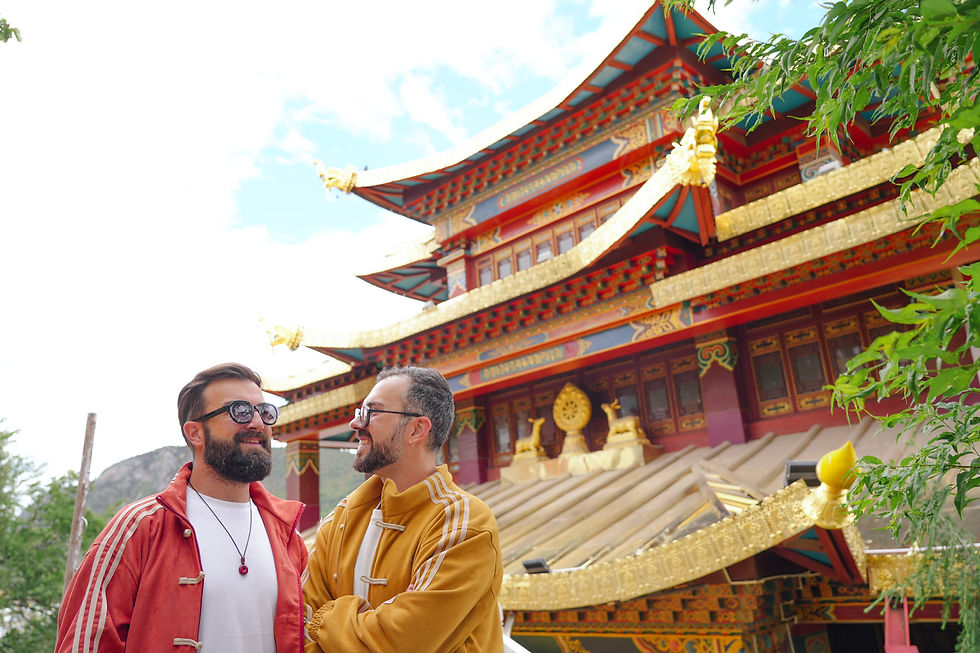
Yunnan is considered one of the most open and relaxed provinces in China, thanks to its great ethnic diversity and strong tourist vocation. While there isn't a real LGBTQ+ scene like in China's major cities, cities like Kunming offer some gay-friendly venues and a generally welcoming atmosphere. LGBTQ+ travelers can visit Yunnan in peace, enjoying spectacular scenery, historic cities, and a unique culture. As in the rest of China, it is still advisable to maintain discretion in public displays of affection, especially in more rural areas, while respecting local customs.

SUGGESTED ITINERARIES
Visiting this destination at its best depends essentially on how long you have to fully enjoy it. Here is a solution based on the number of days available to you:
10-DAY ITINERARY in YUNNAN
Day 1 – Arrive at KUNMING
Day 2 – KUNMING – STONE FOREST – KUNMING
Day 3 – KUNMING – DALI
Day 4 – DALI
Day 5 – DALI – LIJIANG
Day 6 – LIJIANG
Day 7 – LIJIANG – TIGER LEAPING GORGE – SHANGRI-LA
Day 8 – SHANGRI-LA
Day 9 – SHANGRI-LA – LIJIANG
Day 10 – Departure from LIJIANG
15-DAY ITINERARY in YUNNAN
Day 1 – Arrive at KUNMING
Day 2 – KUNMING – STONE FOREST – KUNMING
Day 3 – KUNMING – YUANYANG
Day 4 – YUANYANG
Day 5 – YUANYANG – KUNMING
Day 6 – KUNMING - XISHUANGBANNA
Day 7 – XISHUANGBANNA
Day 8 – XISHUANGBANNA - KUNMING
Day 9 – KUNMING – DALI
Day 10 – DALI – LIJIANG
Day 11 – LIJIANG
Day 12 – LIJIANG - TIGER LEAPING GORGE – SHANGRI-LA
Day 13 – SHANGRI-LA
Day 14 – SHANGRI-LA – LIJIANG
Day 15 – Departure from LIJIANG
(By opening the Maps with Google, you can easily follow our path)
Click'n'Go - Click on the places to find them on the Map
WHAT TO SEE in YUNNAN?
THE BEST THINGS TO SEE in YUNNAN

Kunming
Kunming, known as the “city of eternal spring”, is the capital of Yunnan and the ideal starting point for exploring the region. The city offers a mix of modernity and local traditions, with attractions such as Dianchi Lake, Yuantong Temple and traditional markets. It is also famous for its colourful cuisine and relaxed atmosphere, characterised by a mild climate throughout the year.

Stone Forest (Shilin)
Shilin Stone Forest is a spectacular natural landscape made up of thousands of tall limestone formations reminiscent of a stone forest. A UNESCO World Heritage Site, according to local legend it is linked to the Yi people and their ancient traditions. Walking along the paths you can admire rocks with particular shapes, caves and unique views that seem to belong to a fantastic world.

Dali
Dali is one of Yunnan's most charming cities, famous for its old-walled old town, traditional white houses, and the influence of Bai culture. Situated between the Cangshan Mountains and Erhai Lake, it offers spectacular scenery and a tranquil atmosphere. Strolling through its streets means discovering temples, craft markets, quaint cafes, and ancient local traditions.

Lijiang
Lijiang is a historic city declared a UNESCO World Heritage Site, famous for its ancient center crisscrossed by canals and stone bridges. Inhabited by the Naxi people, it retains extraordinary traditional architecture and a unique culture. Its evening-lit streets, artisan workshops, and proximity to Jade Dragon Snow Mountain make it one of Yunnan's most evocative and romantic destinations.

Shangri-La
Shangri-La is a destination with mystical charm, located on the Tibetan Plateau of Yunnan. Surrounded by snow-capped mountains and pristine landscapes, it is famous for Tibetan culture, Buddhist monasteries and traditional villages. The most important place is the Songzanlin Monastery, often called “Little Potala Palace”. It is an ideal destination for those seeking nature, spirituality and authenticity.

Tiger Leaping Gorge
Tiger Leaping Gorge is one of the deepest and most spectacular gorges in the world, crossed by the Yangtze River between the snow-capped Yulong and Haba mountains. Its name comes from the legend that a tiger managed to jump the river by passing over a large rock. It is a perfect destination for trekking enthusiasts, with scenic trails and breathtaking views.
Yuanyang Rice Terraces
The rice terraces of Yuanyang are one of the most spectacular agricultural landscapes in China, created by the Hani people along the mountain slopes. Thousands of terraced fields reflect sunlight creating incredible scenery, especially at sunrise and sunset. In addition to natural beauty, they allow you to learn about local traditions, ethnic villages, and ancient sustainable agricultural systems.
Xishuangbanna
Xishuangbanna, in southern Yunnan near the border with Laos and Myanmar, is a tropical region famous for the culture of the Dai people. Rainforests, golden Buddhist temples, local markets and great biodiversity are found here. It is a different destination from the rest of Yunnan, characterized by green landscapes, warm climate and traditions influenced by Southeast Asia.

Jade Dragon Snow Mountain
Jade Dragon Snow Mountain is a spectacular mountain range near Lijiang, with snow-capped peaks reaching over 5,500 meters. Considered sacred by the Naxi people, it offers incredible views thanks to glaciers, alpine meadows and nature trails. Some areas can be reached by cable car to admire this unique and evocative mountain environment up close.
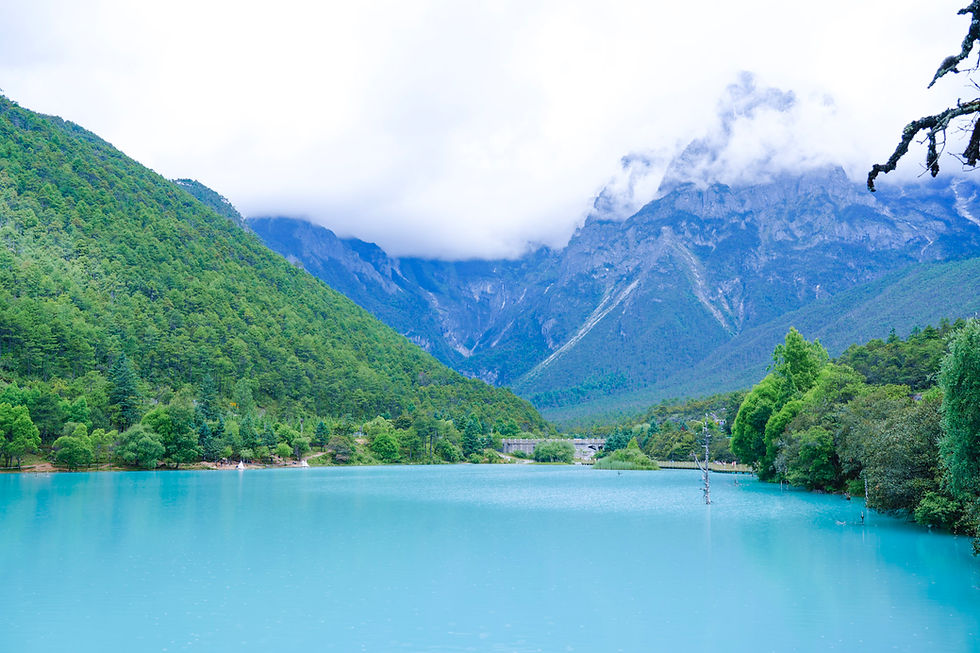
Blue Moon Valley
The Blue Moon Valley is one of the most beautiful natural attractions near Jade Dragon Snow Mountain. It is famous for its turquoise lakes, fed by melting glaciers, surrounded by snow-capped mountains and forests. The landscape seems almost unreal and represents one of the most photographed places in Yunnan, ideal for relaxing walks and panoramic photographs.
Pudacuo National Park
Pudacuo National Park, near Shangri-La, is mainland China's first national park and preserves some of Yunnan's purest ecosystems. It includes alpine lakes, forests, meadows and a rich wildlife. It is a perfect place to immerse yourself in nature, walk along scenic walkways and admire tranquil landscapes far from mass tourism.
Shaxi Ancient Town
Shaxi Ancient Town is an ancient village along the historic Tea and Horse Route, an important trade route between China and Tibet. Less crowded than Lijiang and Dali, it retains an authentic atmosphere with traditional houses, wooden courtyards and ancient temples. It is the ideal place for those who want to discover the daily life of the villages of Yunnan.
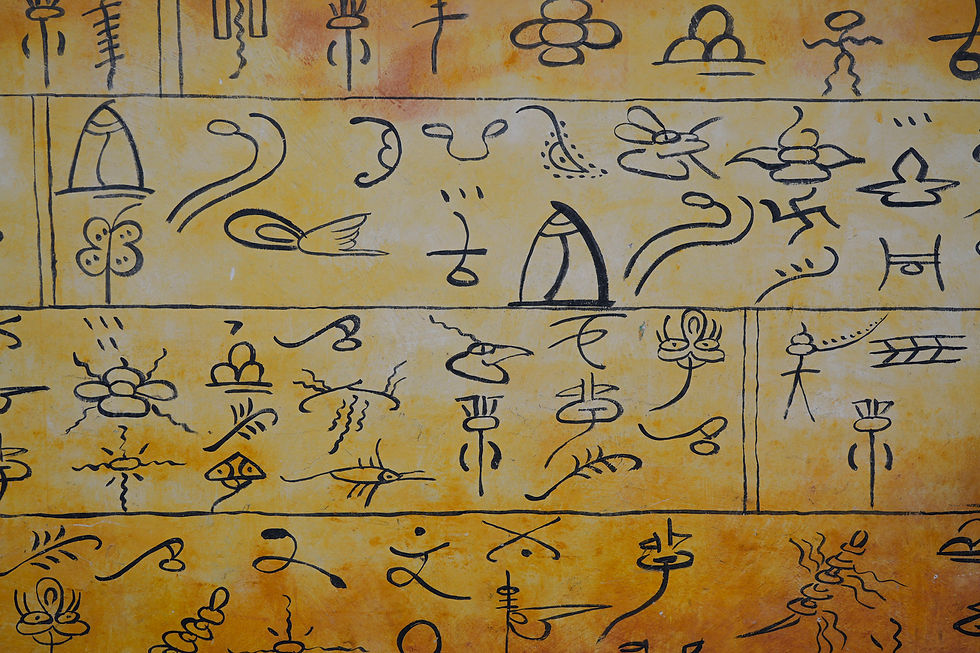
Baisha Ancient Town
Baisha Ancient Town, near Lijiang, is a small traditional village famous for its ancient murals, created between the 14th and 17th centuries. Here you can breathe a quieter atmosphere than in nearby Lijiang, strolling through historic streets, artisan workshops and Naxi houses. It's a perfect place to learn about the local culture without the tourist crowds.

Shuhe Ancient Town
Shuhe Ancient Town is an ancient Naxi village located near Lijiang, featuring canals, stone bridges, and traditional architecture. It was once an important stop on the Tea and Horse Route. Today it offers a relaxed atmosphere with small shops, cafes and historic courtyards, representing a quieter alternative to the more famous old town of Lijiang.

Jianshui Ancient Town
Jianshui Ancient Town is a historic town in southeastern Yunnan famous for its traditional architecture and cultural heritage. Among the main attractions are the Temple of Confucius, the ancient city gates and the Bridge of the Two Dragons. It still retains the atmosphere of imperial China, with ancient streets, historic houses, and well-preserved local traditions.
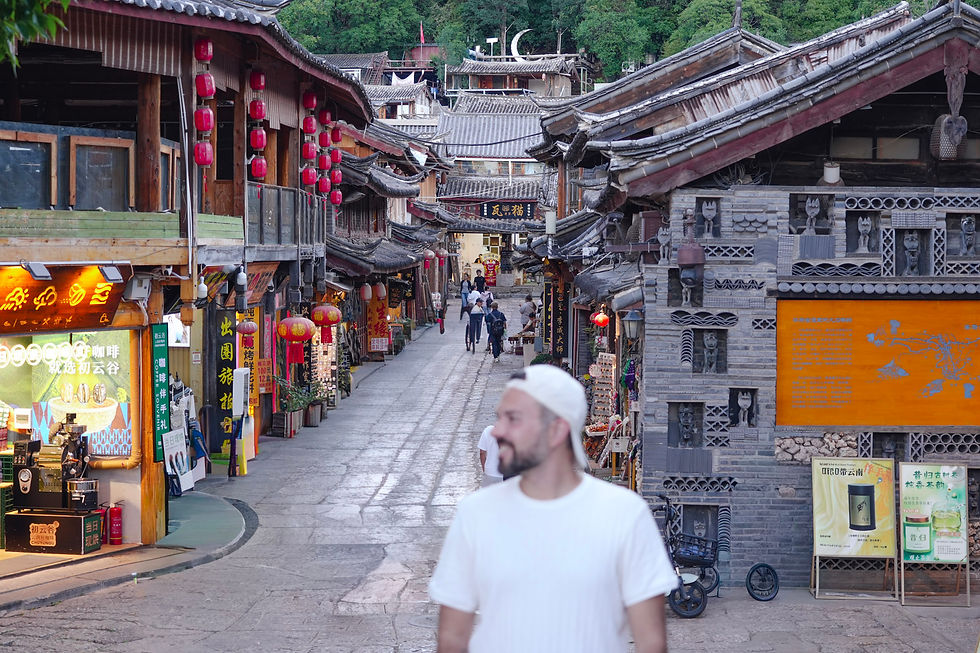
Xizhou Ancient Town
Xizhou Ancient Town, near Dali, is famous for its elegant traditional homes of the Bai people, decorated with internal courtyards and refined architectural details. The village is also known for its local market and the famous traditional snack Xizhou baba. It is a perfect destination to discover Bai culture and have a more authentic experience away from the main cities.
Shaxizhen Ancient Town
Shaxizhen Ancient Town is an ancient village located along the Tea and Horse Route, known for its authentic and unsightly atmosphere. The heart of the village is Sideng Square, surrounded by historic buildings, temples and ancient dwellings. Walking here allows you to take a real journey into the past, among local traditions, crafts and rural landscapes.
Erhai Lake
Erhai Lake is one of the most iconic places near Dali, a large lake surrounded by the Cangshan Mountains and traditional Bai villages. It is famous for its romantic views, spectacular sunsets and walks along the shore. You can explore it by bike, boat or visiting the small villages on its banks, experiencing a quiet and evocative atmosphere.

Below are Discounted Tickets for Top Attractions - Click Here

WHAT TO DO in YUNNAN

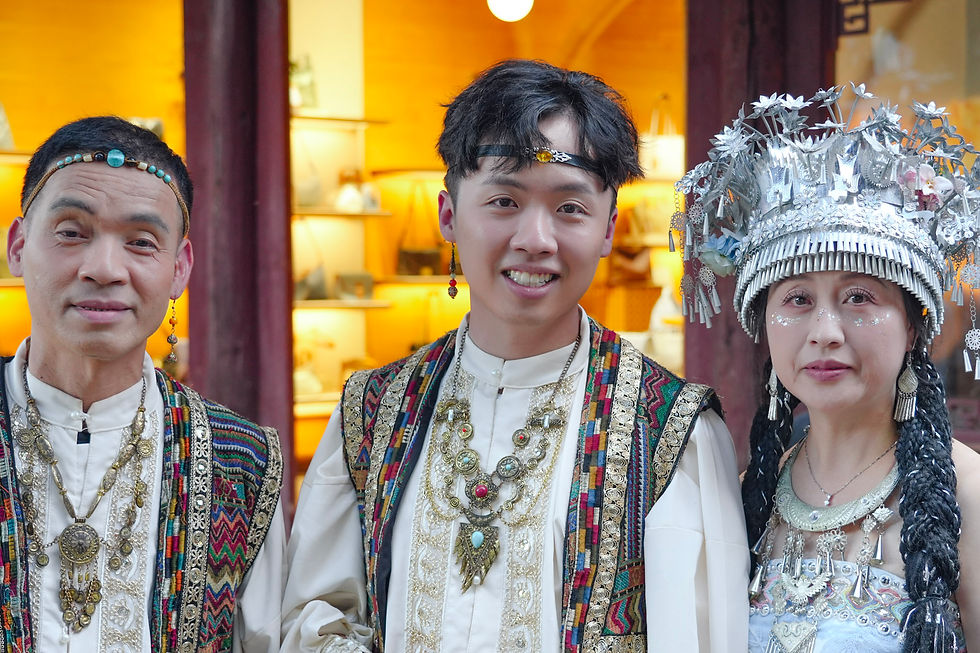
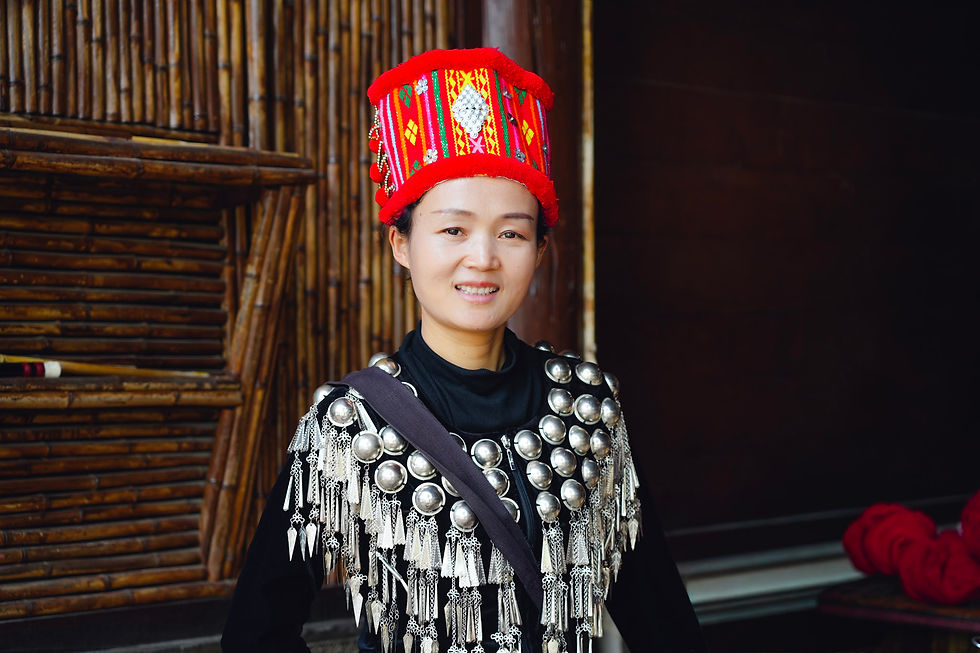
Wearing traditional Naxi or Bai clothing and walking in ancient cities
A unique experience in Yunnan is renting a traditional dress of local ethnic minorities, such as Naxi or Bai, and strolling through the ancient streets of Lijiang, Dali, or Shuhe. Thanks to historic architecture, stone bridges, and colorful lanterns, it will feel like we have entered another era. It is also a special opportunity to take evocative photographs and learn more about local cultures.

Attending the show “Impressions of Lijiang” at the foot of Jade Dragon Snow Mountain
“Impressions of Lijiang” is a one-of-a-kind outdoor show, directed by renowned filmmaker Zhang Yimou and created at over 3,000 meters above sea level, with Jade Dragon Snow Mountain as the natural setting. Hundreds of local minority artists tell the story and culture of Yunnan through music, dance, and traditional costumes, creating an exciting and spectacular experience.

Sleeping in a traditional village in the mountains
To experience the most authentic Yunnan, choose to stay overnight in a traditional guesthouse within an ancient village. Sleeping among wooden houses, rice terraces and natural landscapes allows you to connect with the daily life of local communities. Places like Shaxi, Yuanyang or Tibetan villages near Shangri-La offer an experience far from mass tourism.

Watching the sunrise over the rice terraces of Yuanyang
Waking up early to watch the sunrise over the rice terraces of Yuanyang is one of the most exciting experiences in Yunnan. When the first rays of the sun illuminate the terraced fields filled with water, the landscape transforms into a spectacle of colors and reflections. In addition to photography, this experience allows you to discover the agricultural work of the Hani people and their ancient relationship with nature.
Trekking in the spectacular Tiger Leaping Gorge
Walking along the Tiger Leaping Gorge is an unmissable adventure for those who love nature and hiking. The route passes through one of the deepest gorges in the world, between towering mountains and the mighty Yangtze River. The scenic trails offer incredible views of the snow-capped peaks and allow you to experience a wild side of Yunnan, far from the classic tourist destinations.

Taste the cuisine of ethnic minorities in local markets
Yunnan offers one of the most varied cuisines in China thanks to the presence of numerous ethnic minorities. In the markets of Kunming, Dali, or Xishuangbanna, you can try little-known specialties such as wild mushrooms, fermented tea, colorful rice, and traditional Dai and Bai dishes. Eating in small local markets allows you to discover authentic flavors and live a cultural experience through food.
Have a Pu'er tea tasting on a historic plantation
Yunnan is home to the famous Pu'er tea, one of the most popular Chinese teas in the world. Visiting a local plantation allows you to discover the process of harvesting, processing, and aging leaves, often led by local producers. Between the mountains of Pu'er and Xishuangbanna, you can participate in traditional tea ceremonies, taste different varieties, and learn about the deep relationship between this drink and Yunnan culture.
Sailing on Lake Erhai at sunset with a traditional boat
An evocative experience is to explore Lake Erhai, near Dali, aboard a small traditional boat or on a scenic sunset cruise. The Cangshan Mountains reflected in the water, the Bai villages on the banks, and the golden evening light create an unforgettable scenery. It is a relaxing way to admire the nature of Yunnan and experience the landscape like the local inhabitants.

Visit a Tibetan village and participate in local daily life
Around Shangri-La you can get in touch with Tibetan culture by visiting small traditional villages. Here you can observe typical houses, monasteries, mountain pastures and ancient customs still alive. Attending a local dinner, attending a religious ceremony, or talking to residents allows you to experience a lifestyle deeply rooted in spirituality and nature.
Exploring a tropical forest in Xishuangbanna
Xishuangbanna offers a completely different experience than the mountains of northern Yunnan: here you can explore biodiversity-rich rainforests, suspension bridges, and nature trails. The region is home to numerous rare species and preserves the traditions of the Dai people. Visiting a nature reserve or taking part in a guided excursion allows you to discover a wilder and more tropical side of the province.
BEST EVENTS in YUNNAN
Naxi Spring Festival in Lijiang (February – March)
Naxi New Year, celebrated in the Lijiang area, is an event rich in ancient traditions related to the culture of the Naxi ethnic group. Ceremonies, musical performances, traditional dances and family gatherings are organized during the festivities. The streets of the old city are filled with decorations and cultural activities, offering visitors the opportunity to discover customs passed down for generations.
Kunming International Flower Festival (February – March)
Kunming, known as the “city of eternal spring”, hosts a major flower festival every year. During the event, parks and gardens are decorated with thousands of floral species from China and abroad. In addition to botanical exhibitions, cultural performances, exhibitions, and nature activities are organized, making the festival perfect for lovers of colorful landscapes.
Three Temples of Dali Festival (March – April)
The Three Temples Festival is one of the most important cultural events of the Bai people, organized in the Dali area. Born as a religious event dedicated to local deities, today it is also a large fair with crafts, folk performances, music, dances and typical products. It is an ideal time to discover Bai traditions and experience the authentic atmosphere of Yunnan communities.
Pu'er Tea Festival (March – April)
The Pu'er Tea Festival celebrates one of Yunnan's most important excellences: the world-famous fermented tea. The event features traditional tea ceremonies, visits to ancient plantations, tastings, and meetings with experts. It's an ideal experience to learn about Chinese tea culture, the work of local growers, and production techniques passed down over time.
Dai People's Water Festival (April)
Celebrated primarily in Xishuangbanna, the Water Festival is the traditional New Year of the Dai people. For several days, the streets are transformed into a great celebration where residents and visitors throw water at each other as a symbol of purification, fortune, and renewal. The event also includes dances, traditional music, religious processions, and local markets, offering a colorful and engaging experience.
Shangri-La Tibetan Cultural Festival (June – July)
This festival celebrates the Tibetan culture of the Shangri-La area through dance, music, traditional costumes, and religious ceremonies. During the event, you can admire shows in colorful costumes, attend rituals in monasteries, and discover the traditions of local communities. It is a special time to experience the spirituality of the Tibetan Plateau and learn about one of Yunnan's most important cultural identities.
Yi Torch Festival (July – August)
The Torch Festival is one of the most spectacular celebrations in Yunnan, organized mainly by the Yi people. During the evenings, communities light huge torches, organize traditional dances, songs, sports competitions, and moments of collective celebration. The event symbolizes protection from evil spirits and the desire for a good harvest. It is a unique opportunity to learn about the ancient traditions of local ethnic minorities.
Mid-Autumn Moon Festival in Lijiang (September – October)
During the Moon Festival, celebrated throughout China but particularly evocative in Lijiang, the old city lights up with lanterns and traditional decorations. Families gather to admire the full moon, share traditional sweets, and participate in cultural events. Thanks to the romantic atmosphere of ancient streets and canals, Lijiang becomes even more charming.
Shangri-La Hot Air Balloon Festival (November)
The Shangri-La Hot Air Balloon Festival celebrates the charm of the Tibetan Plateau through sky shows, cultural activities, and local community gatherings. Colorful hot air balloons fly over mountain landscapes creating spectacular scenery, especially at sunrise and sunset. The event also allows you to learn about Tibetan culture through music, traditional dances, crafts, and typical cuisine of the region.
Pu'er Coffee Festival (December)
The Pu'er region, world-famous for its namesake tea, also hosts an interesting festival dedicated to local coffee. The event celebrates Yunnan's growing coffee production through tastings, plantation visits, producer meetings, and cultural activities. It is an original opportunity to discover a lesser-known side of the province and taste coffee grown in the tropical mountains.

WHERE TO STAY in YUNNAN?
BEST LGBT FRIENDLY HOTELS in YUNNAN
KUNMING
DALI
LIJIANG
SHANGRI-LA
XISHUANGBANNA

WHERE TO EAT in YUNNAN?
BEST TYPICAL RESTAURANTS of YUNNAN Quality/Price
KUNMING - €€ - Yilaofuzi Italy Restaurant
KUNMING - €€ - Mystic South Yunnan Ethnic Cuisine Yunnan Cai
KUNMING - €€€ - Sujixiang
DALI - €€€ - Muslim Restaurant
DALI - €€ - Yirantang DALI - €€ - Dali Ancient City
LIJIANG - €€€ - Grandma's Kitchen Western Rest.
LIJIANG- €€€ - Old Town of Lijiang
LIJIANG - €€ - N's Kitchen Upstairs

WHAT TO EAT in YUNNAN?
BEST TYPICAL DISHES OF YUNNAN
Guòqiáo Mǐxiàn (过桥米线) – Rice noodles “bridge crossing”
Considered Yunnan's signature dish, Guòqiáo Mǐxiàn is a soup made with very hot chicken broth, rice noodles, sliced meat, vegetables, quail eggs, and other ingredients added directly to the bowl. According to legend, he was born in Mengzi, where a wife crossed a bridge to bring her husband lunch. Today it represents one of the most important gastronomic specialties in the province.
Qìguō Jī (汽锅鸡) – Chicken cooked in the steamer
Qìguō Jī is a specialty originating from Jianshui, prepared with a special clay pot called qìguō. The chicken is slowly cooked with ginger, herbs, and wild mushrooms without adding water: the steam allows for a natural, light, and very flavorful broth. It is a traditional, nutritious and highly appreciated dish in Yunnan cuisine.
Yunnan Yěshēng Jūn Huǒguō (云南野生菌火锅) – Wild Mushroom Hot Pot
Yunnan is famous for the wide variety of wild mushrooms found in its mountains. This hot pot uses fresh ingredients like porcini mushrooms, matsutake, and other local mushrooms, cooked in a delicate broth that enhances their natural aroma. It is one of the most representative dishes of the region and allows you to savor the richness of Yunnan's mountain environments.
Rǔshān (乳扇) – Fried goat's milk cheese
A specialty of the Bai minority of Dali, Rǔshān is a particular cheese made from goat's milk and processed into thin rolled sheets. It can be grilled, fried or accompanied with honey and jam. It has a crunchy texture on the outside and soft on the inside, with a delicate and slightly sweet taste that makes it unique.
Bāngbāng Jī (棒棒鸡) – Spicy Pulled Chicken
Bāngbāng Jī is a dish made with cooked, shredded chicken and seasoned with a sauce made with chili peppers, sesame seeds, peanuts, and local spices. The name comes from the stick traditionally used to soften meat. Thanks to its balance of spicy, aromatic and slightly sweet flavors, it is highly appreciated as an appetizer or light dish.
Ěrkuài (饵块) – Yunnan Rice Cake
Ěrkuài is a traditional food obtained from rice processing, especially widespread in the Dali and Kunming areas. It has a soft, springy texture and can be grilled, stir-fried, or served with hot sauces. Often consumed during the Chinese New Year, it is considered a symbol of luck, abundance, and continuity in the local culture.
Xuanwei Huǒtuǐ (宣威火腿) – Xuanwei Ham
Xuanwei ham is one of Yunnan's most famous gastronomic products, known for its long tradition and unique curing method. After several months of processing, it develops an intense, aromatic and slightly salty flavor. It is used in numerous local recipes, from soups to rice dishes, adding depth and flavor.
Dàlǐ Suāncài Yú (大理酸菜鱼) – Fish with fermented vegetables
Originating in the Dali area, this dish combines fresh fish with fermented vegetables, chili peppers, and local spices. Its flavor perfectly combines freshness, acidity and a pleasant spicy note. Often prepared during family meals and special occasions, it represents the ability of Yunnan cuisine to transform simple ingredients into characterful dishes.
Xībāng Nǎi (西邦奶) – Traditional Bai yogurt and dairy products
There is a long tradition of dairy production in the Bai communities of the Dali region. Xībāng Nǎi is a milk-based specialty, similar to yogurt or a fresh dessert, often accompanied by honey, fruit or sweet ingredients. It is an example of the encounter between pastoral culture and local gastronomy in Yunnan.
Làpáiròu (腊排骨) – Dried Lijiang Pork Ribs
Làpáiròu are pork ribs preserved by salting and drying according to traditional methods from the Lijiang area. They are then cooked slowly, often together with local vegetables and spices, creating a dish with an intense and fragrant taste. They are one of the most representative specialties of Naxi cuisine and mountain communities in Yunnan.

TRAVEL TIPS about YUNNAN by World Mappers
Attend traditional local minority festivals. Yunnan is a cultural mosaic with over 25 ethnic groups, and each community preserves unique celebrations. Attending events such as the Dai Water Festival, the Torch Festival of Yi, or Naxi festivals means witnessing dances, music, traditional clothing, and ancient rituals. Planning your trip during a local holiday turns a simple visit into an unforgettable cultural experience.
Experience Yunnan at dawn, not just during the day! Many visitors arrive at the most famous places when they are already crowded, losing the most authentic atmosphere. A special tip is to wake up early to watch the sunrise in the snow-capped mountains of Meili, the terraced rice fields of Yuanyang, or the ancient villages of Dali and Lijiang. The early hours of the morning bring spectacular light, absolute silence and more genuine encounters with local communities.

Stay in a traditional village instead of just tourist towns. To truly understand Yunnan, it is important to sleep at least one night in a small ethnic village. Places such as Shaxi, Baoshan or the Naxi and Bai villages allow you to experience slower rhythms, taste home cooking, observe ancient traditions and talk to the inhabitants. A much more authentic experience than the big hotels in the main cities.
Explore ethnic minority cuisine, not just famous dishes. Yunnan's gastronomy is one of the most varied in China due to its many minorities. In addition to rice noodles, try lesser-known specialties like Dali goat cheese, Dai steamed chicken, wild mountain mushrooms, and fermented tea. Local markets are the best place to discover unusual ingredients and flavors completely different from traditional Chinese cuisine.

Below are Discounted Tickets for Top Attractions - Click Here

Check out the Practical Guide
Discover other destinations nearby such as
Also see these additional articles
Discover also:


.jpg)


Comments